
The Road Car Bruce McLaren Never Got to Finish: Inside MSO's M6GT Restoration
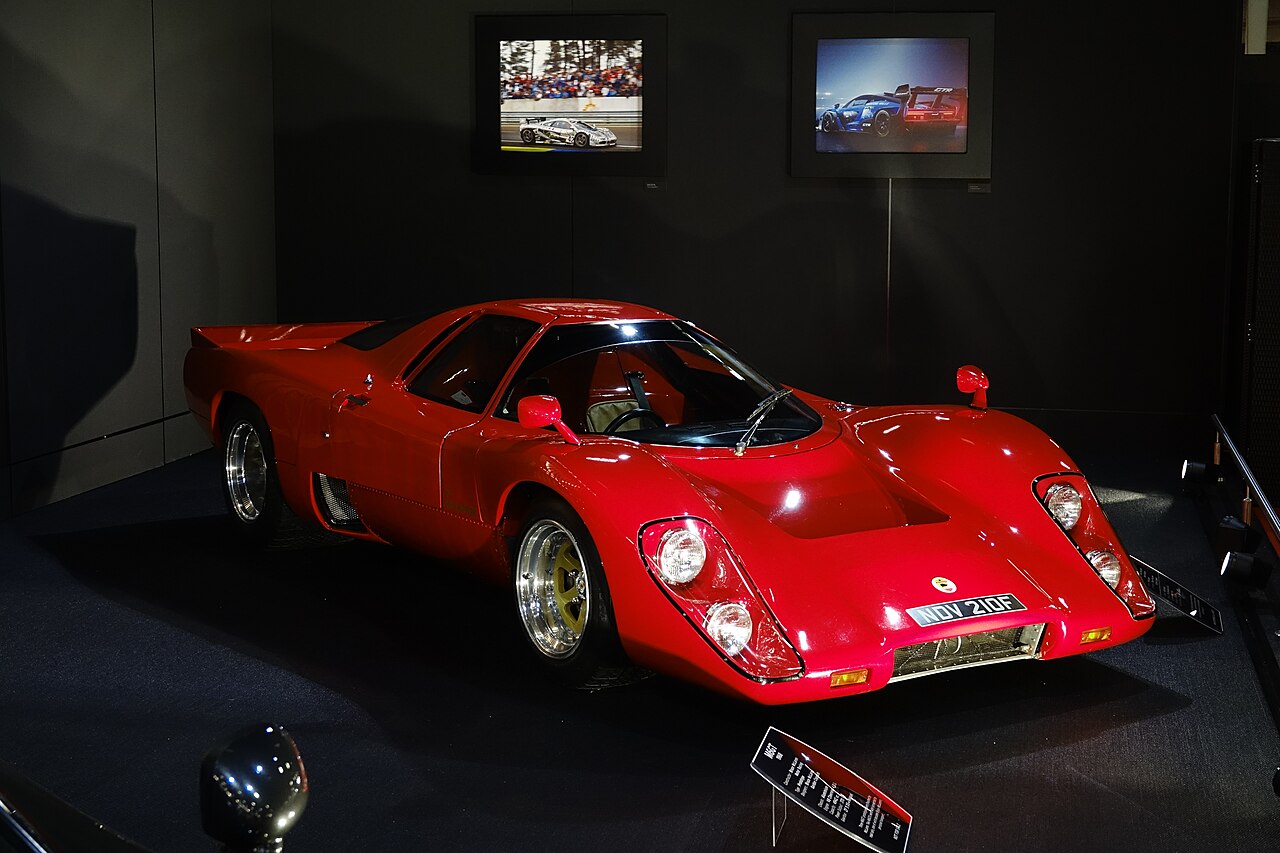
The Car That Started McLaren's Road-Car Story
McLaren Special Operations has completed a ground-up restoration of the M6GT, Bruce McLaren's own personal prototype from the early 1970s — the car that first asked, inside the company he founded, whether the racetrack could genuinely come home with you. Bruce used it as real personal transport: drove it to meetings, to Heathrow, parked it outside without apology. It was a genuine attempt to build something liveable rather than a show car, years before "road-legal race car" became a category anyone else was chasing. The restoration made its public debut at the Goodwood Festival of Speed on July 9–10, as the centrepiece of McLaren's heritage display.
MSO rebuilt the car using original body moulds uncovered in the UK, period-correct hardware, and archival drawings held in McLaren's own collection, filling gaps with newly fabricated parts matched to original specification wherever genuine originals couldn't be found. The chassis is a period-built M6A racing chassis, verified against historic McLaren reference vehicles, fitted with a period-correct small-block V8 running "camel hump" cylinder heads matching the original specification. The details go further than most restorations bother with: a hand-turned solid walnut gear knob, custom vinyl seat trim with stitched heat-seam detailing in a green nod to the marque's racing colours, and a bespoke cream-white finish named "Colnbrook" — after the factory near Heathrow's flight path where Bruce developed his road-car thinking, chosen specifically so he wouldn't lose a minute getting to races.
Why This Restoration Matters to Today's McLaren Buyers
This isn't a for-sale car, and as a one-off historical artefact it's genuinely priceless. But the story matters to anyone who owns or is considering a modern McLaren road car, because it's effectively the origin document for what McLaren road cars have been trying to do ever since: bring genuine racing DNA into something actually liveable, rather than a track weapon wearing number plates as an afterthought. Every road-going McLaren since — right up through this year's W1 — traces its identity back to exactly the question Bruce first asked with the M6GT.
For collectors across Dubai and the wider GCC, McLaren's willingness to commit real resources to a restoration this exacting — original moulds, archival drawings, period-correct fabrication rather than convenient substitutes — is a meaningful signal about how the company treats provenance and authenticity more broadly. Those are the same values that matter with any car at this level: a manufacturer that takes this much care reconstructing its own history tends to take documentation and authenticity seriously across its current range too, and it shows in how well that history holds up to scrutiny rather than just what's on paper.